
As I was working on my thesis back in 2020, a part of my research was understanding what makes a visual effective at communicating to a desired audience use of 2D versus 3D seemed key to understanding the question.
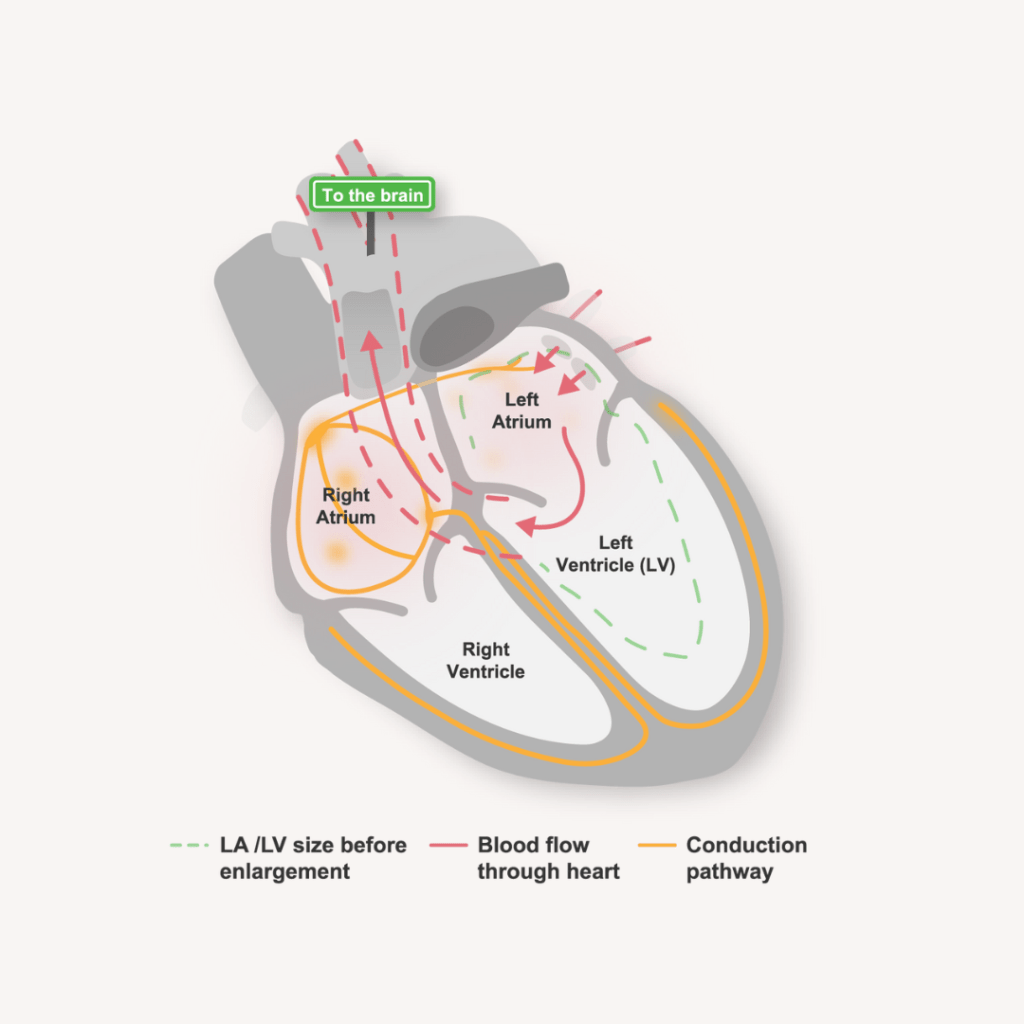
2D illustration
2D illustration lends itself to explaining simpler, less spatially complex information, can benefit shorter timelines and sometimes helps maintain a lower budget.
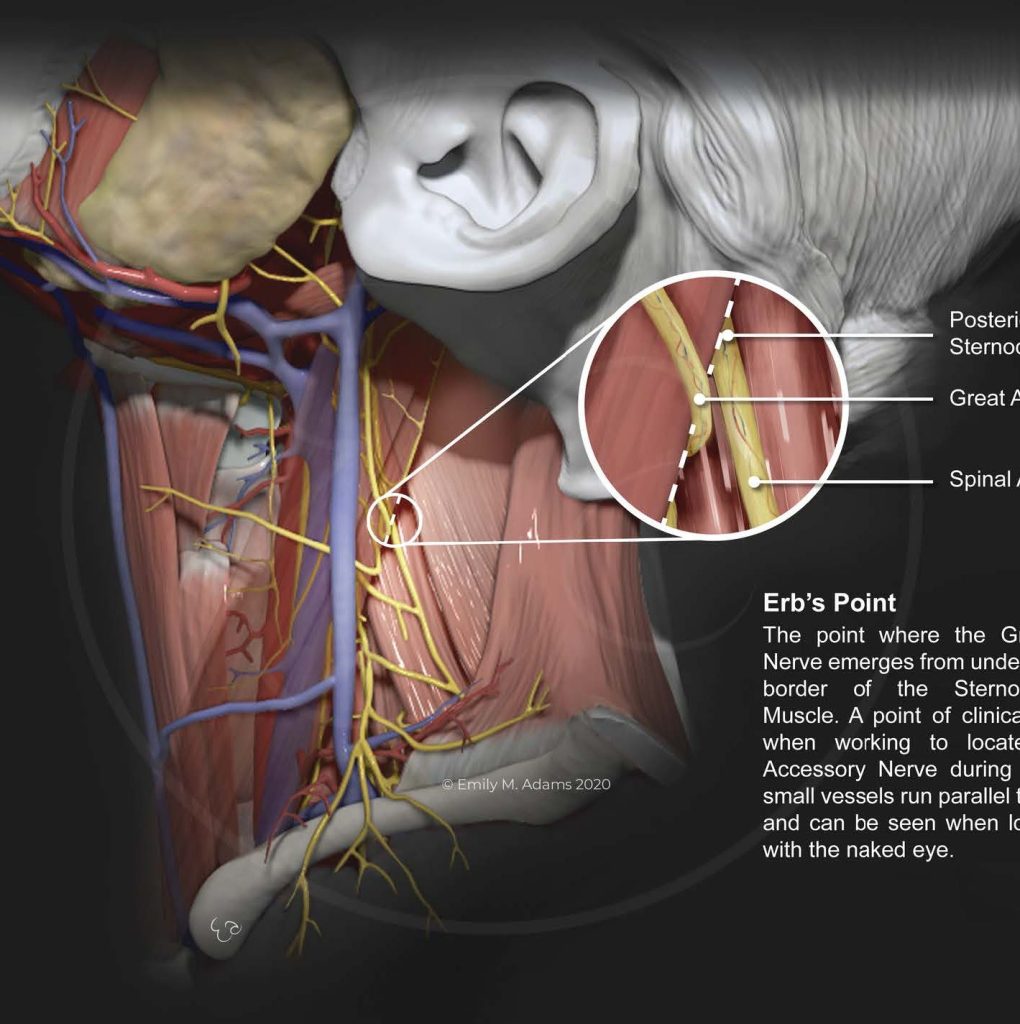
3D illustration
3D illustration lends itself to complex spatial information such as Head and Neck Anatomy and more technical molecular illustration and animation. It helps to delineate where key structures sit relative to others in space and can be especially effective when depicting small spaces or areas. With the added component of animation or interactivity, viewers are better able to grasp the complexity of structural relationship by seeing the same parts of the illustration from different angles. This is something that can facilitated through the use of software like Sketchfab or Verge 3D.
3D projects are more expensive than 2D for a variety of reasons. 3D pieces require more computational power on the artist’s part, it takes longer to build the basic assets that are needed for the project, and requires more time to output final graphics (ie. rendering). Additionally, in the case of biomedical illustration the research portion can be more extensive because accuracy has to be checked across all views.
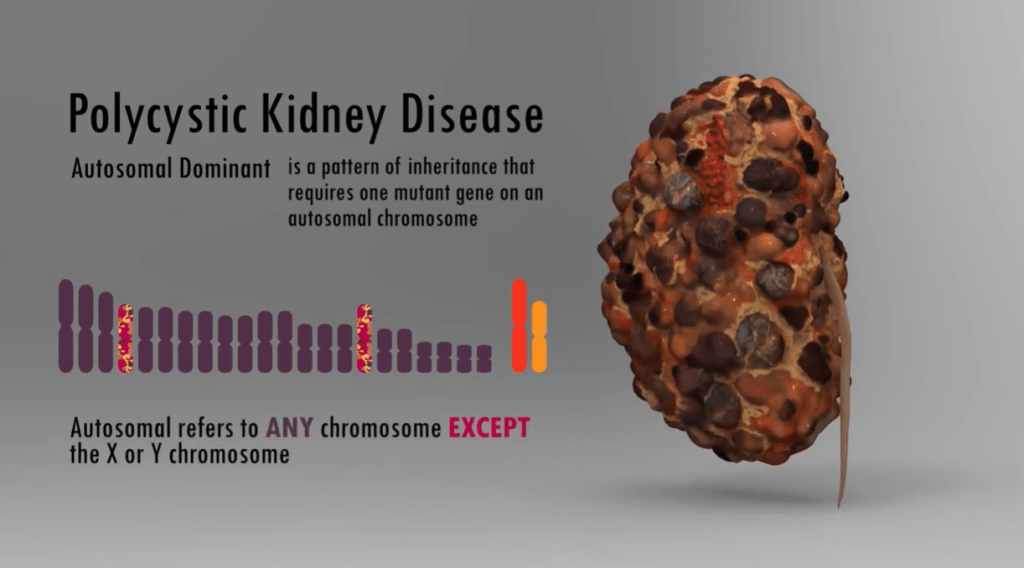
Both?
2D and 3D work can be combined and often are. This allows the client to benefit from the effective uses of both types of work and can expedite the communications process. Using both gives the artist more control to highlight the key information and clearly denote secondary content.
Either can be used for aesthetic purposes or brand compliance. Sometimes if the client wants a specific look or feel it makes sense to use one over the other. If their brand has a specific visual identity it can make sense to align the illustration type used with the brand for visual recognition and cohesiveness across all the client’s assets.
Whether you choose to use 2D, 3D or both, different illustration types solve different communication problems
For more thoughts about my process, working with me and my training subscribe below:
 Emily Adams | MedComms for BioTech, and Healthcare
You must be logged in to post a comment.