
I included lots of links to books in this blog they are not affiliate links just reference links.

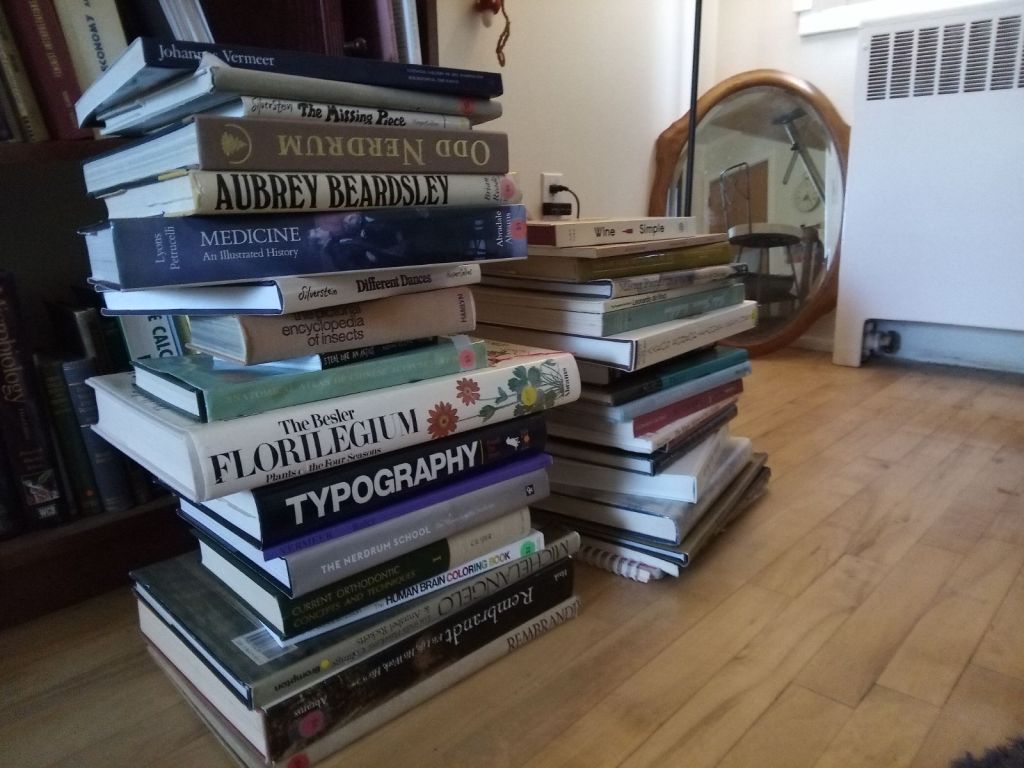
Late last year the bottom shelf of my bookshelf collapsed and since then I have been too lazy to get a new one. It seemed to come tumbling down under the weight of my ever expanding reference book collection which I had given myself permission at the beginning of 2025 to rapidly expand through purchases at my local used bookstore. Their “table book” section rarely costs more than $5 and $5 is on the expensive end of their offerings making most of the books in my collection $2 or less.
What types of books should biomedical illustrators look to add to their collection?
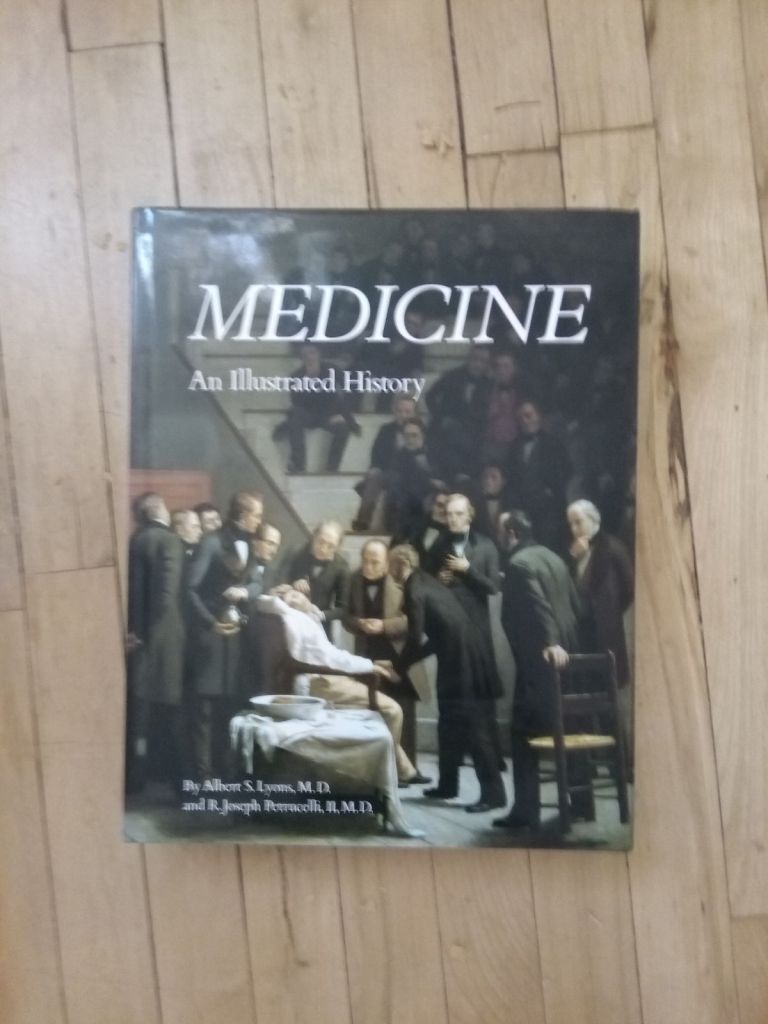
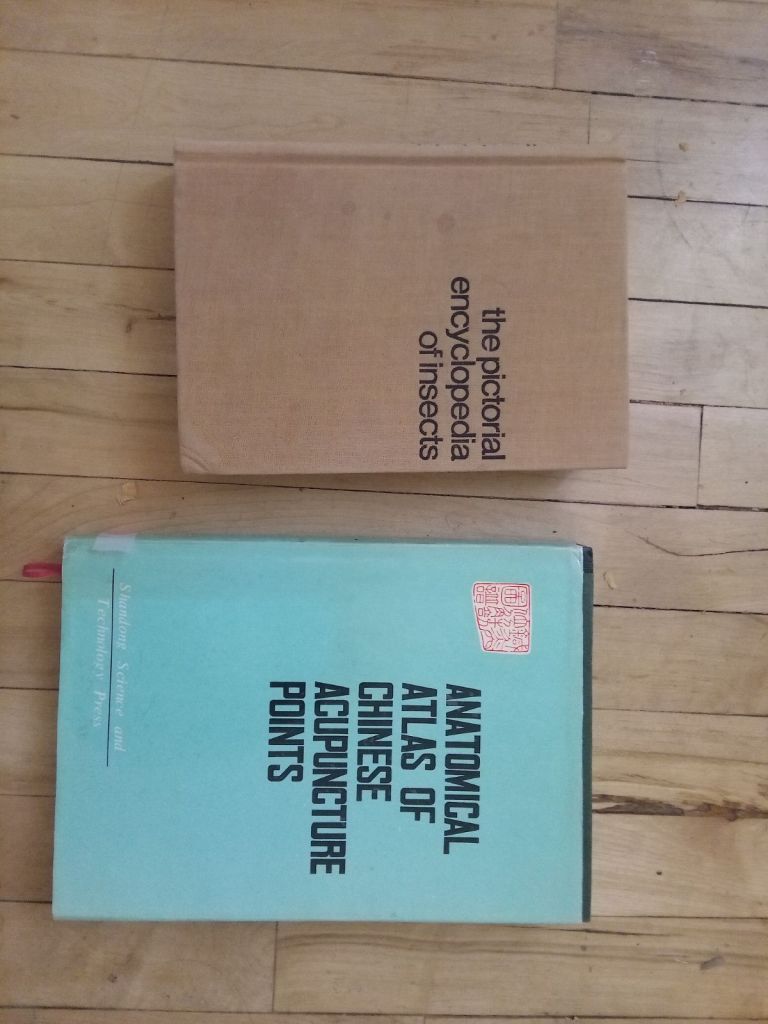
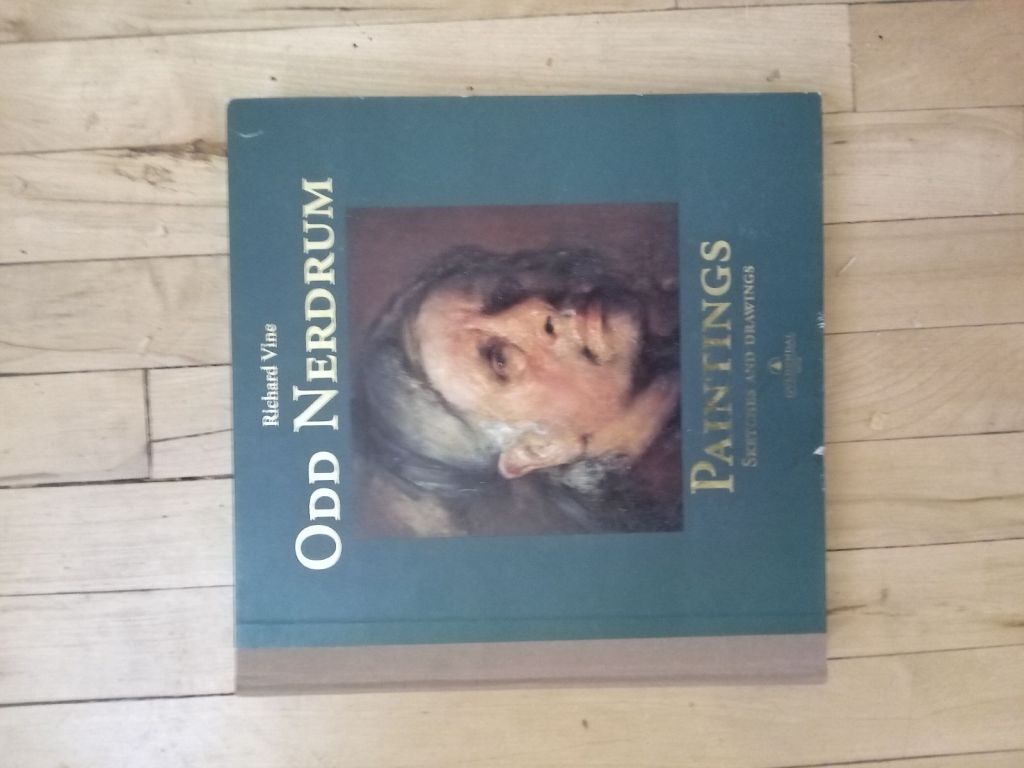
The obvious titles that most of us own are Gray’s Anatomy, something by Netter or lots of something by Netter (I still regret not buying a set of his green books back when I was in undergrad from a friend of a friend trying to get rid of a whole set for cheap), and some other miscellaneous anatomical atlases or textbooks. My favorite in this category is the Atlas of Clinical Gross Anatomy I was given for free on Facebook Garage sale while working on my master’s thesis. More obscure but still anatomical is my textbook on equine surgery that I found for $10 at my trusty local bookstore. Last year in a surprise to me my invertebrate anatomy book came in handy for a coloring book illustration of an ancient reef. Medical illustration programs almost always touch on the Renaissance masters but they don’t always touch on contemporary realists like Odd Nerdrum who is a good contemporary painter to know. The lowest hanging fruit for reference books are books with informational graphics or realistic renderings. Books where when you look at them you can see leader lines formatted in different ways, creative solutions for formatting insets or books where the artists shows a process or the subject in complex perspective.
Accessory books
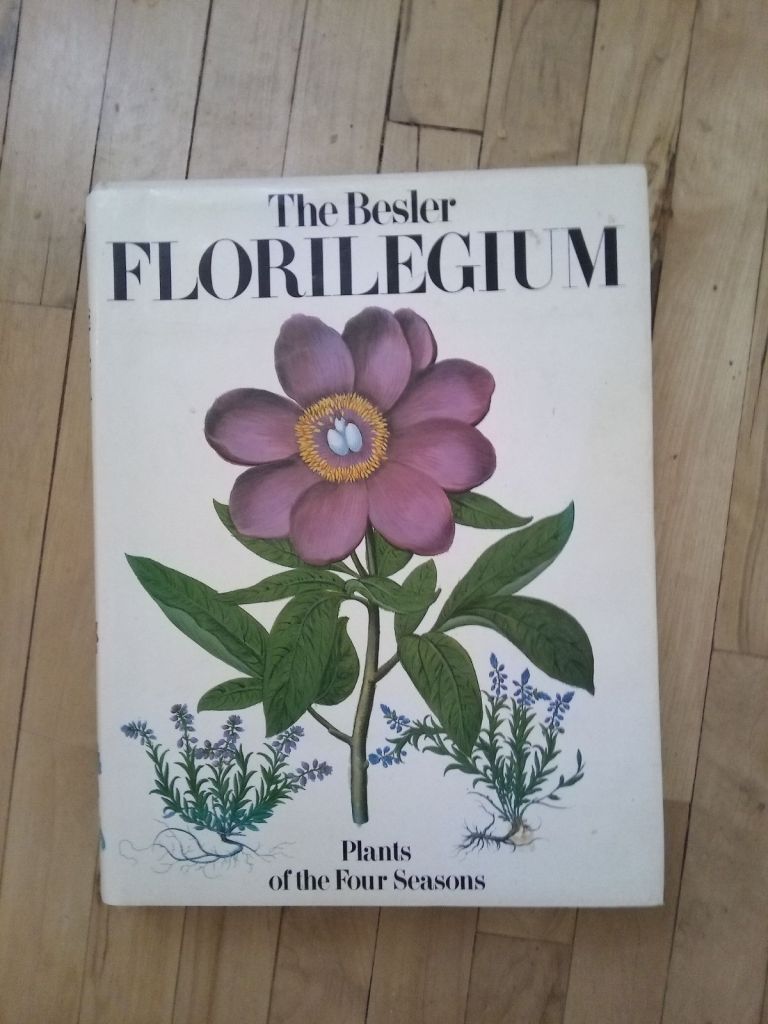
Beyond the more obvious books, you can look for reference books that use the same traditional mediums medical illustrators often do. Most botanical illustrations are in Gouache, Watercolor or Pen and Ink. Looking at how botanical illustrators use these mediums to achieve realism can be useful even when working in digital mediums 2D and 3D. All three of these mediums require particular attention to light looking at how line breaks are used to convey highlights versus Gouache and Watercolor where color is added or subtracted to achieve the same affect can be useful when lighting a 3D scene or starting a digital painting.
While medical illustration sometimes downplays typography and the graphical elements that naturally accompany our work, looking for books with excellent use of type or books on type can also be a “type” of reference books to look for. For instance, Wine Simple is an infographic book that walks you through types of wine using diagrams, maps, grape type, and some anatomical renderings explaining taste. This book makes excellent use of typography and simple graphics to explain a copious amount of information in a digestible format.
Books about Art
When I went to undergrad, I didn’t have a particular interest in art or artists and that curiosity did not grow until shortly after I graduated grad school. Because of that, I did not think very much or very hard about where illustrations are used and what is illustration is. Illustration is simply put art for communication. However, looking back I had some favorite illustrators that influenced me without my knowing and now I also have some new illustrators that have caught my attention. I think the final rule of thumb for building a reference library is collect books by illustrators or artists that interest you even if it seems inapplicable to medical illustration.
Illustration is simply put art for communication.
These are my top 5 favorite non-medical illustration books in no particular order:
- Diary of a Worm illustrated by Harry Bliss
I love worms and have since I was a child. Invertebrates again I guess
I like his use of black and white and thick lines.
3. Anything and everything by Charles Shultz
I have the matching bedsheets and pillow cases and of course all the little chapter books I can find.
4. I like Shel Silverstein particularly The Missing Piece
I think the main character looks like an enzyme.
5. Click, Clack Moo: Cows That Type illustrated by Betsy Lewin
This one makes me laugh.
And two extra
Scar Face Claw illustrated by Lynley Dodd and the Marmalade books illustrated by Cindy Wheeler which are now mostly out of print
For more thoughts about my process, working with me and my training subscribe below:
 Emily Adams | MedComms for BioTech, and Healthcare
You must be logged in to post a comment.